Showing posts with label Chronic Kidney Disease. Show all posts

Saturday, October 24, 2009

Insulin Resistance and Kidney Disease, some thoughts.

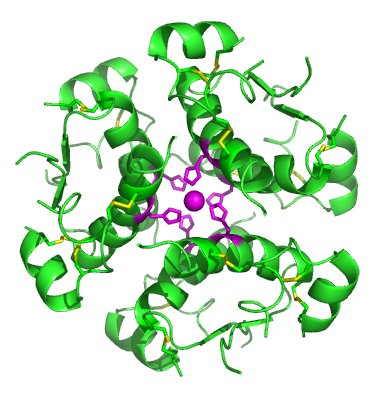
Insulin molecule courtesy wikipedia.


Insulin resistance is a term many doctors and scientists are already familiar with. However not that many patients have a concept of exactly what is meant by resistance to insulin. Other than its role in the causation of type 2 diabetes, Ginsberg considers insulin resistance a major underlying abnormality driving cardiovascular disease, the major cause of morbidity and mortality in much of the world.

Although most of the research produced thus far focused on the role of insulin resistance in diabetics, it is now apparent that insulin resistance is important in its own right.

Insulin resistance is a syndrome that has been linked to increased risk for cardiovascular disease. However its effect is believed to act via promoting dyslipidemia, hypertension, hypercoagulability, and atherosclerosis.

In terms of kidney disease it has been shown by other authors that insulin resistance correlated linearly with decline in renal function. Independent variables related to insulin resistance were bicarbonate and Apo A-1/B levels in patients with chronic kidney disease. Low serum bicarbonate has been implicated in increased bone disease of renal failure and poor cardiac function as well increasing the pace of progression to end stage renal disease an effect that can be ameliorated in part by the prescription of bicarbonate. It would therefore not surprise me if insulin resistance were associated in some future study with increased progression to end stage renal disease. The Treatment of insulin resistance will likely then be a significant issue for patients with kidney disease.

Rosiglitazone is an oral drug that reduces the amount of sugar (glucose) in the blood. It is used for treating patients with type 2 diabetes. It is one of the few drugs currently available capable of reducing insulin resistance. The drug itself is not without side effects, there have been warnings issued regarding a propensity for the development of heart failure in some patients on this drug.

Type 2 diabetic patients on dialysis may derive benefits from this drug both in terms of glucose control as well as reduced insulin resistance. While the question of the safety of rosiglitazone among patients on dialysis still remains to be fully answered, a study of 24 patients on CAPD treated with rosiglitazone has revealed interesting evidence that the drug has no long term negative effects on cardiac function in CAPD patients. Although the study was small, it is somewhat reassuring that the drug may also be safe in patients with lesser degrees of kidney failure.

Once the drug is deemed safe in patients with kidney disease it would be interesting to see a randomized control trial sufficiently powered to determine if rosiglitazone has any impact on the progression of renal disease. If the answer is no then insulin resistance may just be another marker of the inflammatory state that is uremia instead of a driver of progression in and of itself.

Thursday, October 8, 2009

Inflammation and Kidney Disease

Neutrophil granulocyte migrates from the blood...
Neutrophil granulocyte migrates from the blood vessel to the matrix, sensing proteolytic enzymes, in order to determine intercellular connections (to the improvement of its mobility) and envelop bacteria through Phagocytosis. (Photo credit: Wikipedia)


Inflammation is defined by medicine.net as a basic way in which the body reacts to infection, irritation or other injury, the key feature being redness, warmth, swelling and pain. Inflammation is now recognized as a type of nonspecific immune response. This is a definition that everyone who has ever had a cut or bruise can understand easily.

When one speaks of inflammation in kidney disease however the above definition will not adequately describe what is happening in a meaningful way. In fact the definition speaks primarily towards the outward manifestations of inflammation in the skin that have been known for centuries, redness warmth and pain.


However the other manifestations of inflammation within the organs of the body do not quite follow the same pattern as seen on the skin. Inflammation is caused by substances in the blood that are produced by cells of the immune system. It is the function of these cells to detect foreign invaders of the body and destroy them. This is accomplished by cells that detect the foreign invader as foreign and identify it to other groups of cells that are responsible for the actual destruction of the invader. When the invader is destroyed the cells involved form a memory of the event and the next time the invader attempts to gain entry the result is is a faster and stronger response.

The process requires quite a bit of crosstalk between cells of the immune system. These cells talk to each other by way of producing chemicals that act as signals that carry instructions to other cells. These chemicals go by many names but they are best called cytokines. Many of these cytokines are involved in producing the standard inflammatory reaction that is seen in the skin such as after a bee sting.

Various cells that participate in immune funct...
Various cells that participate in immune functions. Note that even though hematopoietic stemm cell, erythrocyte, maegakaryocyte and platelets are found in the blood, they do not participate in immune functions. (Photo credit: Wikipedia)
Interestingly the cells of the kidney, just like other organs, are capable of reacting to the levels of cytokines within the blood. The function of these cells may be altered by these cytokines. The cells of the kidney also produce cytokines as part of their daily functions as they need to talk to other cells as well in order to keep the whole machine running properly.

Problems arise when an inflammatory reaction takes place such as due to a bee sting, but the inflammation never quite stops. Usually once the inflammation has run its course the cells involved signal an end to the fight and things return to normal with the level of cytokines in the blood falling back to normal.


In circumstances where inflammation continues unchecked, the immune system becomes activated and cytokine levels remain high. This is called a pro-inflammatory state. When the body gets stuck in this state dysfunction of many organ systems can occur due to the high levels of cytokines telling cells that there is a war going on within it. This may actually be necessary if there was a severe chronic infection happening that required such a state. However frequently the pro-inflammatory state is not due to anything correctable by the pro-inflammatory state itself and hence it is not self limited.

The results can be devastating, including muscle loss as if one was malnourished due to effects of high levels of cytokines that produce muscle wasting. Increased risk of cardiovascular disease because the cells of the blood vessels are more likely to produce severe cholesterol plaques which obstruct blood flow to the heart. The blood vessels also have disturbances of function which prevent them from relaxing to allow adequate blood flow to organs that need it, such as the kidney or the exact opposite, too much relaxation, which prevents an adequate pressure head for distribution of blood. The cells of the bone marrow responsible for producing blood do not produce adequate blood cells in response to the signal to do so in the presence of excessive inflammation.

These problems have a striking resemblance to some of the problems being faced by people with kidney disease. There is anemia, muscle wasting and malnutrition and increased heart disease. This may imply that there is a relationship between chronic kidney disease and inflammation. Such a relationship has essentially been shown to exist by ongoing clinical research.

Thus inflammation, not the type that causes swelling pain and redness then goes away, but the chronic continuous activation of the immune system occurs in kidney disease and is responsible for much of the morbidity and death that occurs because of CKD.

Recently the authors of this study have shown that calcium and phosphate levels are important in determining the overall level of inflammation in patients with stage 3 to 4 kidney disease and beyond. What this means is that if calcium and phosphate levels are controllable in some way then the burden of disease produced by chronic inflammation in CKD may be reduced.
Enhanced by Zemanta

Monday, October 5, 2009

Fat and renal failure

SYDNEY, AUSTRALIA - FEBRUARY 04:  Clients do f...
SYDNEY, AUSTRALIA - FEBRUARY 04: Clients do floor exercises at the NuYu Weight Loss Retreat on February 4, 2010 in the Hawkesbury Valley near Sydney, Australia. Nuyu is a live-in style retreat offering programs that run for up to 6 weeks addressing all aspects of healthy living including exercise, meal planning, emotional well being and boast a 80% success rate for long term weight management. The latest statistics from the Dietitians Association of Australia state that 62% - more than 13 million Australian adults - and 25% of Australian children are overweight or obese. (Image credit: Getty Images via @daylife)


The relationship between kidney disease and obesity is explored by a systematic review of the available evidence by Sankar et al. The key take home points from the article are as follows.

  • Obesity is important because nearly 2/3 of american adults are overweight and 50% of this number are obese. Thus giving rise to a very large prevalence. Any health conditions tied to obesity are therefore going to be equally prevalent.


  • Obesity increases the incidence of known risk factors for kidney disease such as hypertension, diabetes and dyslipidemia.


  • Obesity is a unique independent risk factor for kidney disease.


  • Chronic kidney disease is increasing. Currently 20 million americans have CKD.


  • The number of patients requiring dialysis will increase exponentially over time.


  • The contribution of obesity to ESRD is likely to be very signficant directly and indirectly via diabetes and hypertension.


  • The effects of weightloss on progression to ESRD is not clear.

The authors found that weight loss may offer benefits to patients with kidney disease. Weightloss resulted in decreased protein in the urine as well as stabilisation of a measure of kidney function the GFR. The benefits were more pronounced in patients who had bariatric surgery. The current evidence is pointing to a role of weightloss via surgical methods if necessary to slow the progression of CKD. To speak to this point more studies with longer follow up will  be needed.

Full-Figured Man
Creative Commons License photo credit: Tobyotter
Enhanced by Zemanta

Wednesday, September 30, 2009

Chronic Use Of Aspirin/Paracetamol Containing Drugs and Chronic KidneyDisease.

Analgesic nephropathy
Analgesic nephropathy (Photo credit: Wikipedia)


Chronic use of over the counter pain killers have previously been cited as something to avoid if you have kidney disease. There is well established evidence that mixed analgesics have negative effects on kidney function.
So much so that a specific disorder chronic analgesic nephropathy has been described. It has been defined as the renal damage that occurs when two analgesics and caffeine or another drug is taken routinely over years. You may ask yourself who would take such medication on a chronic basis? However many people with chronic disease particularly painful conditions for which there is no definitive therapy such as chronic osteoarthritis or nerve damage take these drugs for relief of chronic pain. Problems occur with dependence induced because of ingredients such as caffiene codiene or barbiturates.

Drugs that have been implicated here include

  • Aspirin

  • Paracetamol

  • Pyrozolones

  • Phenacitin

in combination with,

  • caffeine

  • codiene

  • or barbiturates.
A few weeks in Vietnam 310
A few weeks in Vietnam 310 (Photo credit: JaulaDeArdilla)

The disease itself is slowly progressive over many years and is associated with findings of scarring of the kidney with shrinking of the cortex (the place where a lot of the work of filtration is done), and over time there is a chance of transformation to transitional cell cancer of the kidney ureter or bladder.

Some Points to take home about Analgesic Induced Kidney Disease.

  • The use of CT-SCAN has recently been validated as a method of detecting analgesic nephropathy in patients with stage 3 and 4 CKD. The CT scan is done without contrast and hence is safe.


  • Analgesic induced kidney disease is invariably caused by compound analgesic mixtures regardless of the presence or absence of phenacetin as one of the active ingredients. Phenacetin was once thought to be the primary cause of analgesic induced nephropathy, this has proven to be false as the disease can occur with any of the drugs listed above.


  • Healthy individuals who occasional take the above drugs are not at risk of renal disease.


  • Paracetamol is frequently prescribed instead of aspirin like compounds because of the known association of kidney disease with aspirin however paracetamol is also a cause of analgesic induced kidney disease although the risk is described as modest.


  • Analgesics may cause acute renal failure. The renal failure however is not always reversible when the drug is withdrawn.


  • Once kidney disease occurs continued use of the offending drug worsens the chances of recovery and increases the rate of progression to end stage.


  • In patients with stage 3 to 4 CKD the dug of choice should be the drug with the least chance of producing acute renal failure and it should be used for as short a time as possible. hence short courses of paracetamol is indicated for pain.


  • Despite the toxicity of the ingredients, it is the addictive nature of the habit forming co ingredients which creates the chronic dependence which can lead to ESRD.


Enhanced by Zemanta

Saturday, September 26, 2009

Phosphate, PTH and Kidney Disease


What is Phosphate?


Phosphate

image courtesy of wikipedia.

Phosphate is an inorganic ion which is present in many foods and preservatives of food. Here is a list of foods that are high in phosphate.

What are the Disorders of Phosphate Metabolism.

1. Hyperphosphatemia

2. Hypophosphatemia.

1. Hyperphosphatemia.


Elevated levels of phosphate are common in patients with kidney disease due to the disturbance of the bodies natural method of controlling phosphate levels, the kidney.
The kidney is responsible for eliminating phosphate from the body based on the concentration of phosphate in the blood and the concentration of a hormone known as parathyroid hormone.


When the kidney is unable to get rid of the phosphate within the body the levels of phosphate begin to rise and this stimulates the parathyroid glands, these glands are located in the neck behind the thyroid. The contain special sensors that inform the gland about the levels of calcium, vitamin d and phosphate within the blood.

In response to increased levels of phosphate parathyroid hormone or PTH is secreted. This hormone stimulates bone to take up calcium and phosphate when vitamin d is present in sufficient quantities thus decreasing the blood level of phosphate. It also stimulates the kidney to increase excretion of phosphate in the urine. The combination of bone uptake and urine excretion will regulate phosphate.

If the kidney is unable to secrete phosphate despite the stimulation of PTH the result will be persistently elevated levels of both phosphate and PTH.

2. Hypophosphatemia.


Hypophosphatemia is much less common than hyperphosphatemia.

Causes include:-

  • In patients with malnutrition levels of phosphate may be low. They may go even lower when patients are subsequently fed.


  • When the blood becomes alkalotic a state that can occur with intoxication of certain drugs or in sever illness phosphate levels in the blood fall.


  • Alcohol impairs phosphate absorption. Alcoholics are also malnourished with regard to minerals.


  • Abnormalities of the gut which prevent the absorption of phosphate.


  • Defects of the kidney or its regulation that leads to excessive excretion of phosphate in the urine.


Why are High Phosphate Levels so Bad?


  • It has also been shown that increased levels of phosphate is associated with deposition of calcium phosphate crystals in the skin a condition known as uremic calciphylaxis. This is a debilitating process that leads to loss of skin, it is very difficult to treat and has a high rate of mortality once diagnosed. Prevention here is much better than cure.


  • High phosphate levels occur with increased levels of PTH this results in continuous activation of bone metabolism this leads to a disease of the bone known as renal osteodystrophy. Where the bones can become painful and brittle prone to having fractures.


  • High PTH levels as a result of phosphate will also affect the marrow of the bone causing worsening of anemia. Anemia in CKD is usually treated by prescribing EPO. If PTH levels are high for long enough the bone marrow may be damaged and not be able to respond to EPO.
  • Structure of the PTH protein. Based on PyMOL r...
    Structure of the PTH protein. Based on PyMOL rendering of PDB 1bwx. (Photo credit: Wikipedia)


  • High phosphate levels are associated with more pain in general in ESRD and a lower quality of life.

What is the Treatment for High Phosphate Levels.


Decrease the amount of phosphate entering the body and increase the amount of phosphate leaving the body.


  • Decrease the phosphate by having a low phosphate renal diet.


  • Decrease the phosphate entering the body by binding it in the gut thus preventing absorption by using.

Phosphate binders such as:-

  • TUMS (calcium carbonate)


  • PHOSLO (calcium acetate)


Phosphate Binder
Creative Commons License photo credit: trekkyandy

Increase the amount of phosphate leaving the body.


  • This can be accomplished via dialysis, however conventional dialysis is notoriously poor for removing phosphate. The removal of phosphate is linked to length of time spent on dialysis therefore longer treatment is more effective for phosphate removal.


  • Some of the effects of high phosphate are believed to be due to elevated levels of PTH. Therefore as a means to improving outcomes in patients with high phosphate and high PTH, one or more parathyroid glands may be removed to reduce the total amount of PTH circulating in the blood.


  • An alternative to surgical removal of the gland is a drug known as cinacalcet which directly turns of PTH production by the parathyoid.


  • Such drastic measures maybe necessary in patients that have persistently elevated levels of both phosphate calcium and PTH despite other therapies.
Enhanced by Zemanta

Wednesday, September 23, 2009

Anemia in Kidney Disease & EPO too

Red Blood Cells
Red Blood Cells (Photo credit: Wikipedia)
Anemia for the normal population is defined as having less than the normal quantity of red blood cells within the blood. Each individual red cell contains within it the substance hemoglobin. This substance carries oxygen within the cell and releases it in organs where it is needed most. Oxygen is derived from the lung and the process of taking up oxygen into the red cell from the lung is known as oxygenation. Patients with chronic kidney disease are usually anemic for various reasons some of which are specific to kidney disease.


Patients with anemia have symptoms such as weakness and general lethargy, poor appetite, decreased capacity to exercise and usually describe themselves as generally unwell. The hormone responsible for the production of red blood cells is erythropoietin or epo. It is produced by the kidney, it then travels to the bone marrow where it stimulates the cells there to change into red blood cells and enter the circulation.

Major proteins in the erythrocyte (red blood c...
Major proteins in the erythrocyte (red blood cell) membrane. (Photo credit: Wikipedia)
Patients with kidney disease may have anemia because the damaged kidney is unable to produce epo. The presence of toxins which accumulate in kidney disease also have a negative impact on the bone marrow to produce cells. Because of the depressed appetite present in patients with kidney disease there may be inadequate intake of the nutrients required to form the building blocks for the production of red blood cells. Patients with kidney disease are also deficient in iron due to slow leaks of iron from the gut due to the build up of toxins within the blood. When on dialysis there is blood lost in the dialysis tubing that further compounds this iron deficiency. Because of decreased levels of vitamin D there maybe elevated levels of another hormone known as PTH which can lead to damage of the bone marrow and decreased ability to produce red blood cells.

Treatment of anemia in kidney disease therefore relies on first determining the cause of the anemia. In addition to the usual causes detailed above, patients may also have anemia due to the preexisting diseases that cause anemia of which there are many. The evaluation to determine the cause never assumes that the anemia is only due to kidney disease.

If it is established that anemia is entirely due to kidney disease then treatment may commence by replacing the nutrients required for generation of red blood cells, iron and vitamins usually. Provision of adequate dialysis where necessary and the administration injectable of synthetic epo.

Figure 2 - Schematic of Maxwell model using on...
Figure 2 - Schematic of Maxwell model using one dash-pot and one spring connected in series (Photo credit: Wikipedia)
Epo is administered in such a manner as to maintain your blood count in the region of 11 to 12 grams of hemoglobin (Hb). Any higher and there is a risk of adverse events such as stroke or heart attack any lower and the benefits in terms of well being may be less than ideal.

Recently studies have suggested that there may be benefits of higher doses of epo. The authors of one study found that targeting a higher Hb around 12 g/dl was more beneficial than targeting conventional Hb in terms of reduction of the size of the heart and quality of life. Enlargement of the heart is a very serious complication of hypertension and anemia which can lead to early death in patients on dialysis. The fact that epo at higher doses may reduce the occurrence of this is exciting. In fact epo has recently been found to have a possible regulatory role in the function of the heart where studies have shown that administration of epo has direct effects on the muscle cells of the heart improving their function this study suggests that erythropoietin may have a direct positive effect on the heart and brain unrelated to correction of the anemia by reducing cell death and by increasing new blood vessel growth, both of which could prevent tissue damage. This could have profound therapeutic implications not only in heart failure but in the future treatment of myocardial infarction, coronary heart disease, strokes, and renal failure. These effects are independent of the effect of epo on the bone marrow.

However the current guidelines are based on very well done studies which have demonstrated increased mortality in patients with hemoglobin levels of greater than 12 g/dl. Other authors however are of the opinion that the increased mortality may not be due to the actual level of the hemoglobin but the dose of epo and iron required to get you there. These same authors are usually of the opinion that slowly increasing the levels of Hb over a longer period of time may be beneficial.

Erythropoietin currently is the best therapy available for anemia of chronic kidney disease. The exact dose and rate of increase in hemoglobin is likely to be revealed in upcoming studies.


Enhanced by Zemanta

Sunday, September 13, 2009

Impotence in kidney disease

Dialysis USA 3-2007 004
Dialysis USA 3-2007 004 (Photo credit: jimforest)


Approximately 50% of uremic men complain of impotence or erectile dysfunction. An even larger proportion of patients also complain of decreased desire for sex as a result of kidney disease, this is particularly so among patients in stage 5 chronic kidney disease on dialysis.

The reason for this high incidence is related to the associated diseases that are frequently present in patients on dialysis as well as the physiologic alterations that occur because of chronic kidney disease on a vascular and hormonal level. Diabetes mellitus and hypertension are the two most common predisposing causes for chronic kidney disease. Both disease conditions are associated with dysfunction of the blood vessels with an impairment of the ability to relax when needed. This affects the blood vessels within the penis as well resulting in decreased blood flow in this organ due to impaired relaxation in response to appropriate sexual stimulus.

Chronic kidney disease results in several co-morbidities, in my opinion the two most important of these are cardiovascular disease and anemia. They are both related to CKD as well as to each other. The presence of cardiovascular disease in CKD is due in part to the extreme inflammatory state that occurs in patients with kidney disease as well as due to in the increased workload carried by the heart due to retention of fluid in the presence of a decreased supply of oxygenated blood due to anemia. Anemia on the other hand is due to decreased production of erythropoietin by the kidney. This hormone is essential for the the stimulation of bone marrow to produce red blood cells which are the primary constituent of blood.

The desire for sex in men on hemodialysis increases when anemia is treated, this is caused by increased energy levels and individuals perceive themselves as being more vital and they feel "less sick" when the blood count is elevated to about 10 mg/dl by treatment with drugs such as Epogen or CERA. It has been shown in some studies that testosterone levels may also be linked to the treatment of anemia in CKD with increased levels correlating with higher blood counts.

The evaluation of this complex disorder must also include psychological testing. However the efficacy of psychotherapy which essentially is talking about the problem and working through any issues which may be preventing performance is unknown. The use of antidepressant medication for this indication in dialysis patients is not well studied and there are significant possibilities of negative drug to drug interactions along with nebulous required dose adjustments due to renal failure and dialysis to complicate matters. The use of various other methods such as direct injection of the penis with drugs to increase blood flow to the area or surgical prosthesis is certainly possible but may not be socially acceptable as many men find injection of the penis or any surgery in that area distasteful.

The real success story of the treatment of erectile dysfunction in patients with chronic kidney disease is Viagra. Sildenafil the active ingredient in viagra increases nitric oxide levels which result in powerful vasodilation. The drug specifically targets nitric oxide production in penile blood vessels thus preventing systemic vasodilation and resulting severe hypotension (low blood pressure).

Since one of the primary causes of erectile dysfunction in chronic kidney disease is decreased relaxation this treats the cause directly in the majority of patients with good effect.

One day

Creative Commons Licensephoto credit: Felixe

So an approach centered around ensuring the patient is well enough for sex, treating anemia hence improving libido, adequate dialysis if on dialysis with counselling aimed at identifying and removing psychological factors which may impair performance. And if necessary prescription of Viagra or Equivalent sildenafil like compound, will be likely to produce very good results.
Enhanced by Zemanta

Tuesday, September 8, 2009

Five Cheap Effective Home Gout Remedies

Gout: the disease of kings
Gout: the disease of kings (Photo credit: DanCentury)


Sufferers of Gout find it very difficult to find the right treatment. Fortunately there is a solution; there are easy steps you can take to end the pain and agony caused by Gout. Here are the 5 steps that do relieve the Gout symptoms and help those affected to claim their life back.

1. Diet is perhaps the best natural gout treatment. In some cases, sufferers have dropped 50 pounds while eating the very delicacies that fight Gout. It is important to keep a journal to record the foods eaten and to keep a list of the foods that are off limits and cause high levels of uric acid. Foods high in purine are also off limits for someone with Gout. Foods that are high in purine include: red meat, fish like salmon, alcohol and beans.

2. Having a sound vitamin habit which includes ingredients that decrease uric acid is essential. Vitamin A, B5, and E are found in lots of fruits and vegetables. Fruits and vegetables ingested on a regular basis will lower high levels of uric acid and reduce pain caused by gout.

3. Ridding your system of unwanted toxins on a daily basis is another crucial ingredient in lowering the affects of Gout. It is always good to ingest plenty of water and eat foods that are big in fiber. Increased consumption of water and fiber can remove uric acid from the urine and is a great gout remedy.

4. Ascorbic Acid, the main ingredient of Vitamin C, works great for removing excess uric acid. Putting vitamin C in your diet is a great way to counteract Gout.

5. Finally, it is beneficial to embrace a regime of taking natural treatments. Several natural, but quite powerful treatments include: baking soda and cherries. These treatments are very effective because they are readily available and most people have them in the kitchen; Additionally, physician recommended drugs just deal with the symptoms and do not address the root cause.

If you have had Gout or Arthritis attacks, you know how irritating and impossible it is to cure it. You do not need to throw away lots of money on treatments and ointments that treat only symptoms. Whatever avenue you select, do not allow the symptoms caused by Gout to control your life. If you need additional information about natural remedy methods we advise you to read this excellent Instant Gout Relief review. Start your personalized Gout treatment immediately by following the 5 steps stated above; you will notice a transformation at once.

Enhanced by Zemanta

Monday, August 24, 2009

Obesity and chronic kidney disease.

Almost every possible human ailment has been somehow linked to obesity. It is therefore no surprise that obese patients have significantly more risk of developing kidney disease. In fact there is a discrete entity that has been described which is known as obesity related glomerulopathy. Which is dysfunction of the filtering apparatus of the kidney as a result of obesity. The glomerulopathy is associated with distinct structural changes that can be seen on biopsy. The disease usually runs a mild course and rarely does it damage the kidneys sufficiently to require dialysis.

However population based studies have demonstrated that obesity puts you at increased risk of requiring dialysis when compared to the non obese. The mechanism acting here is unlikely to be due to obesity related glomerulopathy and is largely unknown.

However there are theories that fat cells have the ability to produce hormones that act on the kidney such as leptin, adiponectin and tumour necrosis factor. These agents are known to cause inflammation in various tissues of the body. They have also been implicated as playing a role in other diseases of the kidney. The risk of severe renal disease is higher with each additional condition present in addition to being obese. So in the obese and hypertensive with diabetes and low levels of the good cholesterol(HDL), the highest risk of developing end stage renal disease occurs.


The risk can be reduced by treating each associated disease. So good blood pressure control to the lowest possible blood pressure that does not result in dizzyness when you stand suddenly, blood sugar that is well controlled, increasing good cholesterol (HDL) and lowering bad cholesterol (LDL.) are all indicated to improve outcomes.

In terms of weight loss, a reduction of risk occurs for every point reduction in BMI achieved. Therefore ANY weight loss, no matter how small the amount will be beneficial, with the biggest losers gaining the most.
Enhanced by Zemanta

Monday, August 10, 2009

Patient Education: How do you lower your risk of Chronic Kidney Disease.

LAS VEGAS, NV - JANUARY 07:  Dan Radin display...
LAS VEGAS, NV - JANUARY 07: Dan Radin displays the USB Blood Pressure Monitor from Ion Health at the 2011 International Consumer Electronics Show at the Las Vegas Convention Center January 7, 2011 in Las Vegas, Nevada. The USD 70 device measures systolic and diastolic pressure and pulse rates and has an internal memory capable of holding up to 352 readings. The data can be uploaded via USB 2.0 to a computer where it can be used with Ion Health Suite software. CES, the world's largest annual consumer technology tradeshow, runs through January 9 and is expected to feature 2,700 exhibitors showing off their latest products and services to about 126,000 attendees. (Image credit: Getty Images via @daylife)

If you have diabetes and hypertension then you are at higher than average risk for chronic kidney disease. You should be aware of this and be very involved with your treatment, you must help your doctor to care for you!!.

Ask pertinent questions such as.

Q: Have you checked my kidneys? if so how are they doing.

Q: Is my Blood sugar within the normal range or at a range that reduces my risk of kidney disease developing?

Q:Is my Blood Pressure in the normal range. If not what can we do to make it so as that will reduce my chances of developing chronic kidney disease.

Q:My relative had kidney disease I am worried about developing it is there anything i can do to find out if i am at risk?

It is important to lead a healthy lifestyle exercise at least three times per week and eat a healthy balanced diet.

It is important to understand certain concepts.

SEELOW, BRANDENBURG - AUGUST 08:  Country doct...
SEELOW, BRANDENBURG - AUGUST 08: Country doctor Dieter Baermann measures the blood sugar level of an elderly patient in the patient's home on August 8, 2011 in Sachsendorf near Seelow, Germany. Baermann works in the state of Brandenburg in eastern Germany, a region that is struggling with a shortage of doctors in rural areas. Critics charge that current laws actually discourage doctors from taking up posts in rural areas, and the German government is debating a new law intended to reverse the trend. Many doctors across Germany complain about a legal system that they claim burdens them with too many costs and hampers their ability to provide the best care. (Image credit: Getty Images via @daylife)
Normal blood pressure is an arbitrary definition set at less than 120/80 mmHg. However large studies have shown that if blood pressure is lowered even further to just before the point of having symptoms of low blood pressure such as dizzyness and fainting then health benefits continue to accrue and your risk of stroke heart attack and chronic kidney disease improves.

When checking your blood sugar one of the most informative tests is a test of average blood sugar over the last 3 to 4 months. This is called the HbA1c or glycosylated Hb. For every point below 7 that this test registers you accrue benefits such as decreased heart attack and stroke and also decreased chronic kidney disease.

Having increased protein in your urine is not ok particularly if this is a recurrent problem. This could be a sign of early kidney disease. The earlier your disease the lower the protein is usually. Tests of microscopic amounts of protein in the urine can now be performed that detects very early kidney disease. Ask about the urine microalbuminuria test.

If you are male and above 45 having your regular prostate exam may reveal early enlargement which may obstruct outflow of the kidney. If early enough it is reversible and can prevent chronic kidney disease.

Infections of the bladder occur more frequently in women that men. Recurrent infections should never be treated as business as usual. A cause should be sought and if found may reduce your risk of chronic kidney disease from infection.

Males regardless of age should never have urinary tract infection this is never to be treated as business as usual or simply treated with a course of antibiotics. Referral to a specialist in urology and a detailed work up needs to be done to identify the cause so that it can be corrected before kidney damage occurs.


Enhanced by Zemanta

Saturday, August 8, 2009

News: Erectile dysfunction in chronic kidney disease. What to do?.

Viagra erectile dysfunction kidney disease
The purpose of dialysis is to improve the patients quality of life. While there are many indices of quality of life one of the most common complaints from my patients relates to adequacy of male sexual function. The exact incidence of erectile dyfunction among patients on dialysis is unknown. However studies among the subset of patients on hemodialysis show an 82 percent incidence as published in Kidney International.

Unfortunately patients that require dialysis usually carry a high burden of disease affecting the heart, brain and circulatory systems. This results in damage to these systems that commences years before the need for dialysis. The process of hemodialysis is also known to stress these very systems that were previously damaged before the need for dialysis even arose. The unfortunate result of this is a high incidence of erectile dysfunction.

What can be done about it?

Firstly erectile dysfunction can be a complex subject that ties together desire for sexual intercourse known as libido with ability to gain and maintain an erection when appropriately stimulated. Treatment for this problem therefore starts with a detailed look at each individual case with a care provider that you are comfortable with.

In the majority of cases patients will ask me directly if they can have viagra. My response is it depends..

First of all viagra has indeed been shown to be effective in erectile dysfunction among patients on dialysis. All previously understood cautions are still advised, patients who are on a class of drugs such as nitrates have to be particularly careful as it may cause a sudden drop in blood pressure. Viagra therefore should not be taken on dialysis days as there have been reports of a fall in blood pressure on dialysis in patients that do so. Viagra also did not increase the desire for sex in any way. The loss of libido that dialysis patients frequently experience is more directly treated by ensuring adequate blood counts be maintained as well as adequate dialysis obtained.

So is viagra right for you? if you are on dialysis with no liver problems or heart problems with stable blood pressure and no need for nitrates then yes schedule an appointment and discuss it with your physician.